What Is LSD?
A Deep Dive into Acid, Perception, and Psychedelic Awakening
Introduction to LSD
LSD, short for Lysergic Acid Diethylamide, is a powerful psychedelic substance that dramatically alters perception, mood, and cognition. First synthesized in 1938 by Swiss chemist Albert Hofmann, LSD became a key substance in both scientific research and countercultural movements of the 1960s.
Today, LSD is undergoing a scientific revival, with growing interest in its potential for mental health treatment, creative problem-solving, and spiritual insight.
What Does LSD Look Like?
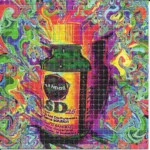
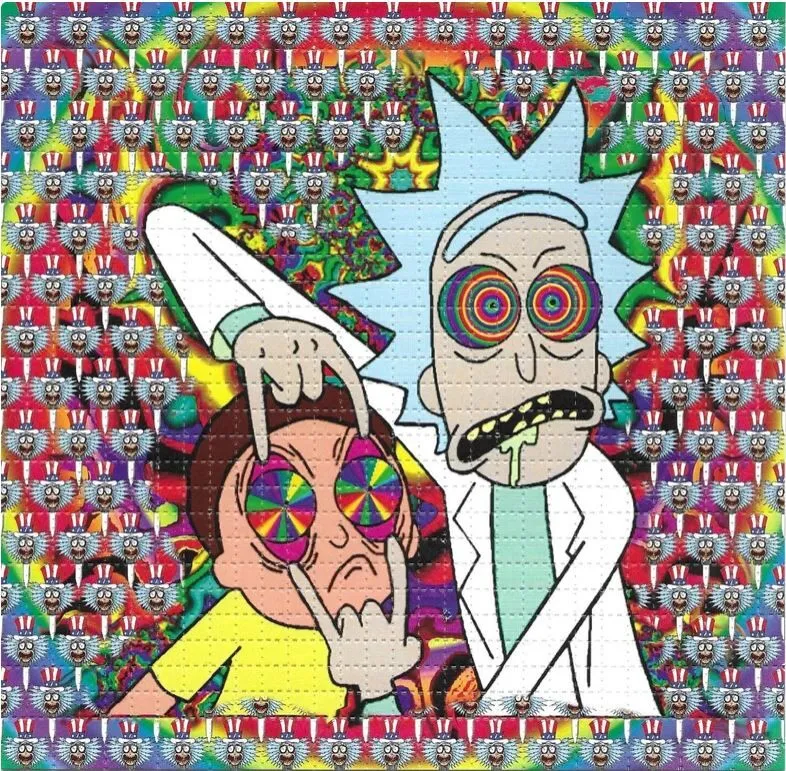
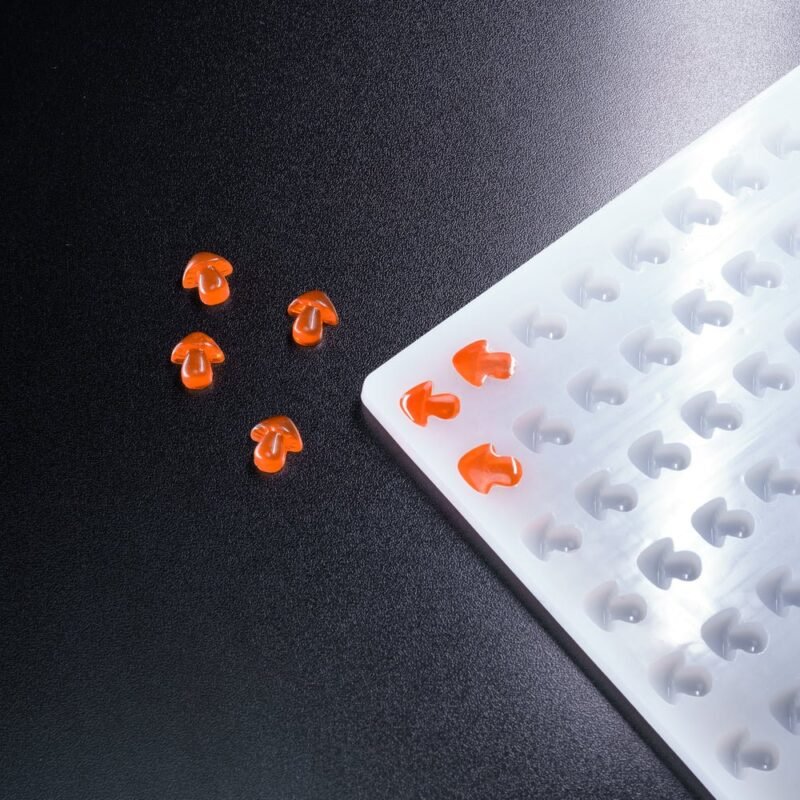
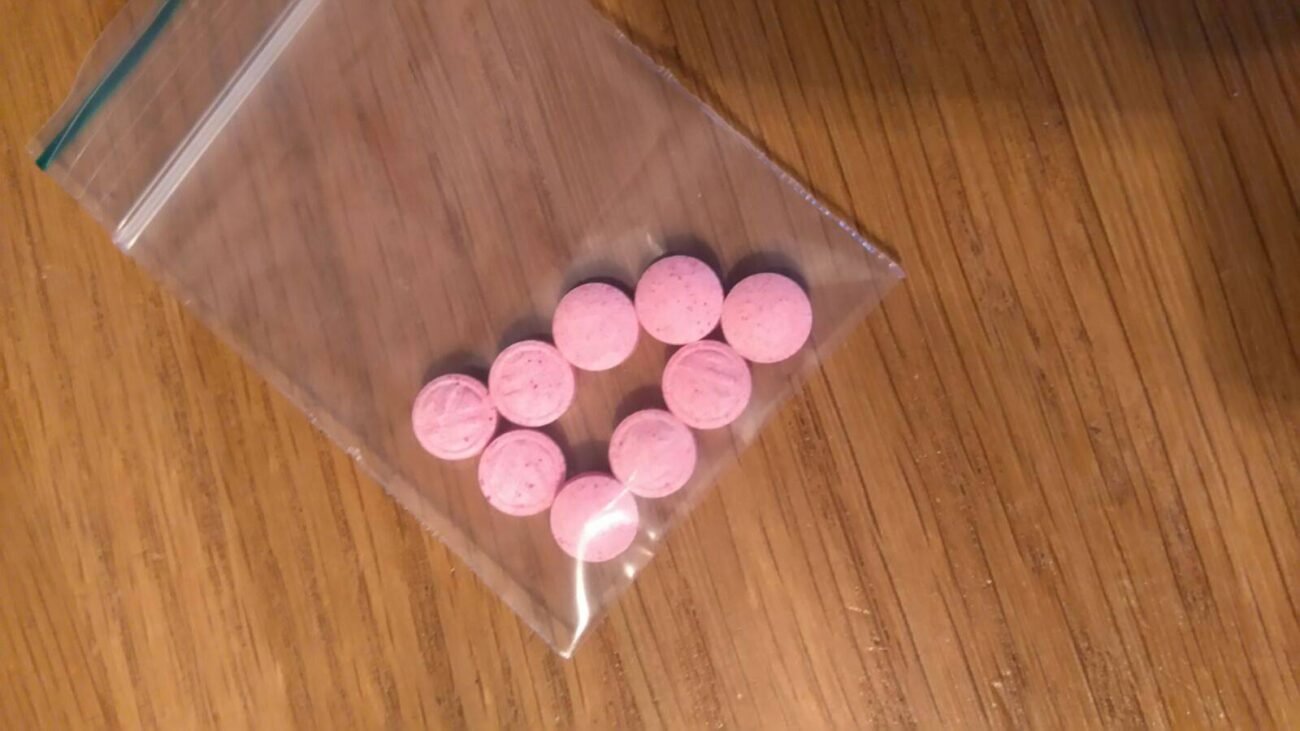
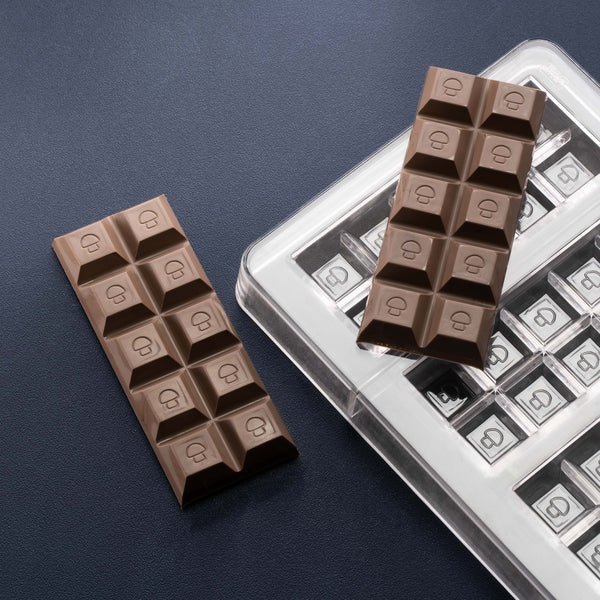
LSD is typically found in:
Because LSD is effective in microgram doses, it’s often invisible to the eye and odorless.
How LSD Works in the Brain
LSD works by stimulating serotonin receptors, especially 5-HT2A, which affects mood, perception, and cognition. It disrupts normal brain activity by increasing connectivity between different brain regions, creating new neural pathways and allowing for novel thought patterns and sensory experiences.
Effects of LSD
Onset and Duration
Common Psychological Effects:
-
Visual hallucinations (patterns, colors, shapes)
-
Altered sense of time and self
-
Emotional intensity (joy, anxiety, confusion)
-
Heightened creativity and insight
-
Profound spiritual or existential realizations
-
Synesthesia (e.g., seeing sounds or hearing colors)
Mystical and Spiritual Use
LSD is widely used in spiritual or self-development practices. Users often report:
-
Ego dissolution
-
A sense of unity with nature or the universe
-
Encounters with divine or otherworldly intelligences
-
Life-changing personal insights
These experiences can lead to long-lasting changes in perspective, values, and behaviors — often described as “awakening” or “rebirth.”
Is LSD Safe?
LSD is non-toxic and non-addictive, but it’s not without risks, especially psychological ones.
Short-Term Risks:
-
Bad trips (fear, paranoia, panic)
-
Confusion or disorientation
-
Accidents due to impaired judgment
-
Risk of triggering latent mental illness (especially in those with a family history)
Long-Term Risks:
Harm Reduction Tips
-
Start with a low dose (especially if new — e.g., 50–75 mcg)
-
Trip in a safe space with someone you trust (a trip-sitter)
-
Avoid LSD if you have a history of schizophrenia or bipolar disorder
-
Stay hydrated, but avoid over-drinking
-
Avoid mixing with alcohol, cannabis, or stimulants
Microdosing LSD
Microdosing involves taking a sub-perceptual dose (5–20 mcg) of LSD every few days. It’s said to:
-
Enhance creativity and focus
-
Improve mood and motivation
-
Reduce anxiety or depression symptoms
-
Increase emotional resilience
Though popular, microdosing is largely anecdotal, with only limited scientific data currently available.
Legal Status of LSD
| Country |
Legal Status |
| USA |
Schedule I (Illegal) |
| Canada |
Schedule III (Illegal) |
| UK |
Class A (Illegal) |
| Netherlands |
Illegal, but LSD analogues exist |
| Portugal |
Decriminalized |
| Switzerland |
Illegal, research permitted |
Despite being illegal in most places, LSD-assisted therapy is being studied in academic and clinical settings worldwide.
Scientific Research and Therapy
LSD is currently being explored in treatment for:
Institutions like MAPS, Imperial College London, and Johns Hopkins University are leading this research.
Read: Imperial College Psychedelic Research Centre
Street Names for LSD
-
Acid
-
Blotter
-
Lucy
-
Windowpane
-
Tabs
-
Sunshine
Summary: LSD at a Glance
| Feature |
LSD (Acid) |
| Type |
Psychedelic / Hallucinogen |
| Common Dose |
50–200 micrograms (μg) |
| Duration |
8–12 hours |
| Risk Level |
Low physical risk, high mental intensity |
| Addictive? |
No |
| Legal Status |
Illegal in most countries |
Final Thoughts
LSD remains one of the most fascinating and powerful tools for exploring human consciousness. While it carries risks — particularly for mental health — it also offers profound opportunities for healing, creativity, and insight when used with care and respect.
“LSD is a microscope for the mind. It reveals what’s already there — magnified.”



Reviews
There are no reviews yet.